Ingenuity in Harmony

Designing purposeful places, Shaping soulful experiences, Creating with intention.

Get in Touch

Redefining Soulful Hospitality

Imajinativ marks a new unfolding in soulful hospitality, where authenticity meets innovation through a multidisciplinary lens. Through Imajinativ Voyage, Imaginative Hospitality Consulting, and Atelier Imajinativ, we deliver high-impact, purpose-driven projects that integrate visionary design, curated journeys, integrated hotel operations, and strategic commercial thinking.
Explore Now
About Us
WEST SUMBA, EAST NUSA TENGGARA

Pasola

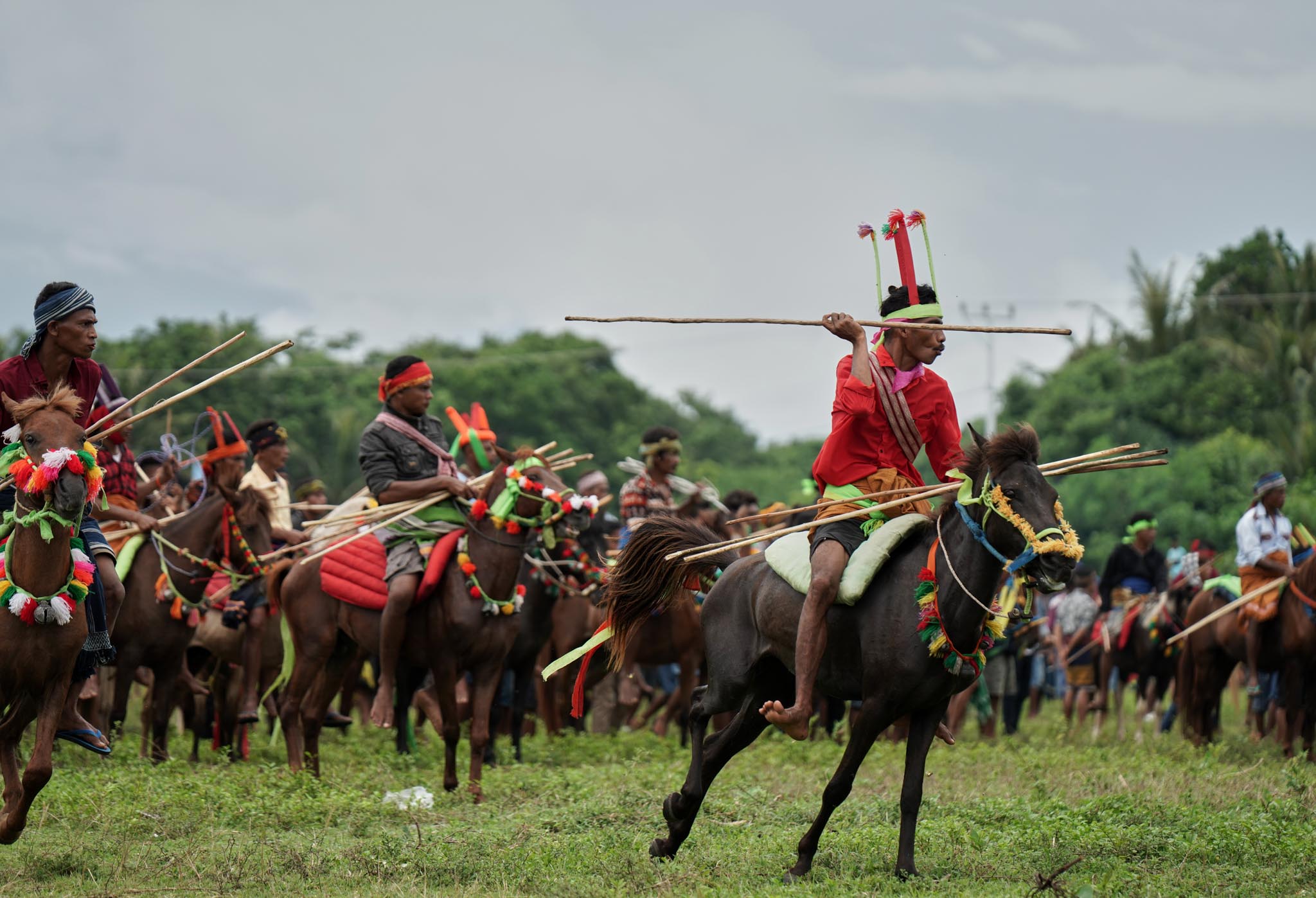
Before the rice is planted, Sumba settles its debts with the spirit world through Pasola, a ritual war on horseback, fought with wooden spears across open fields while priests read the outcome in spilled blood It is not a performance.


It is a ceremony that has governed the Sumbanese agricultural calendar for centuries, rooted in the Marapu tradition and triggered by the appearance of sea worms on the shoreline.The pageantry is extraordinary: hundreds of riders, vivid ikat textiles, the thud of hooves across dry ground. But the weight of it comes from understanding what it means.


This is the context and access that transforms a spectacle into a genuine encounter. 


Best time to visit 

February – March — dates shift each year according to the Nyale moon calendar; exact timing confirmed 2–3 weeks in advance

Rivers, Rhythm & Riau Heritage

Pacu Jalur

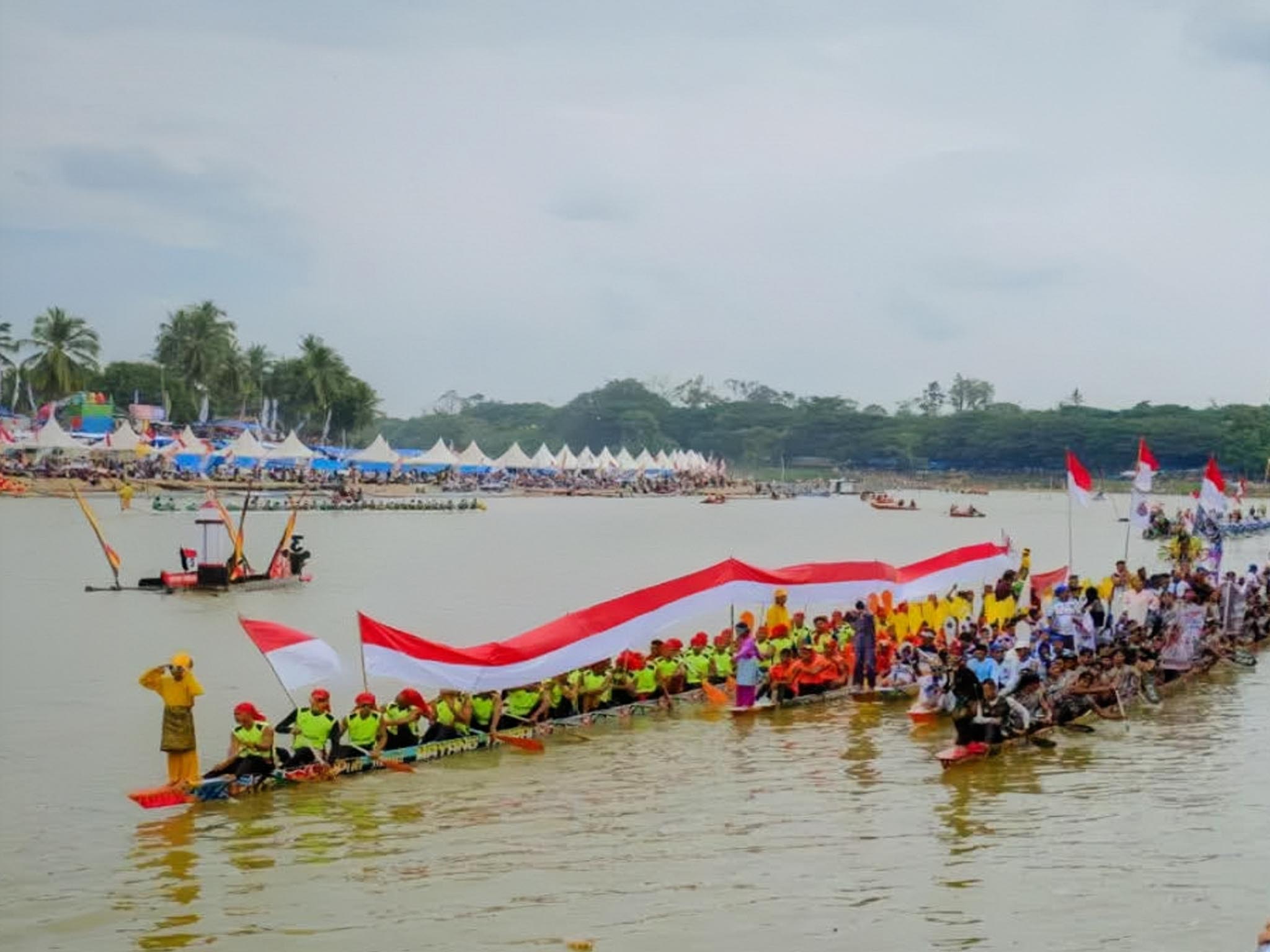
Every year, the Kuantan Singingi river in Riau becomes the stage for one of Sumatra's most visceral cultural displays. Pacu Jalur pits handcarved longboats, some stretching forty metres and crewed by up to sixty paddlers, against each other in races that trace back to the 17th century, when communities offered their finest vessels to the sultan.


The boats are built from a single tree, their prows carved with figures from local mythology; the paddling is choreographed, rhythmic, hypnotic. What makes this more than a sporting event is the communal preparation that surrounds it: months of carving, training, and ceremony that reveal as much about Riau culture as the race itself. Access beyond the riverbank is what changes everything.


Best time to visit  August – September

Held annually during Indonesia's independence month; peak races typically fall across the last two weeks of August

bali

Ngaben

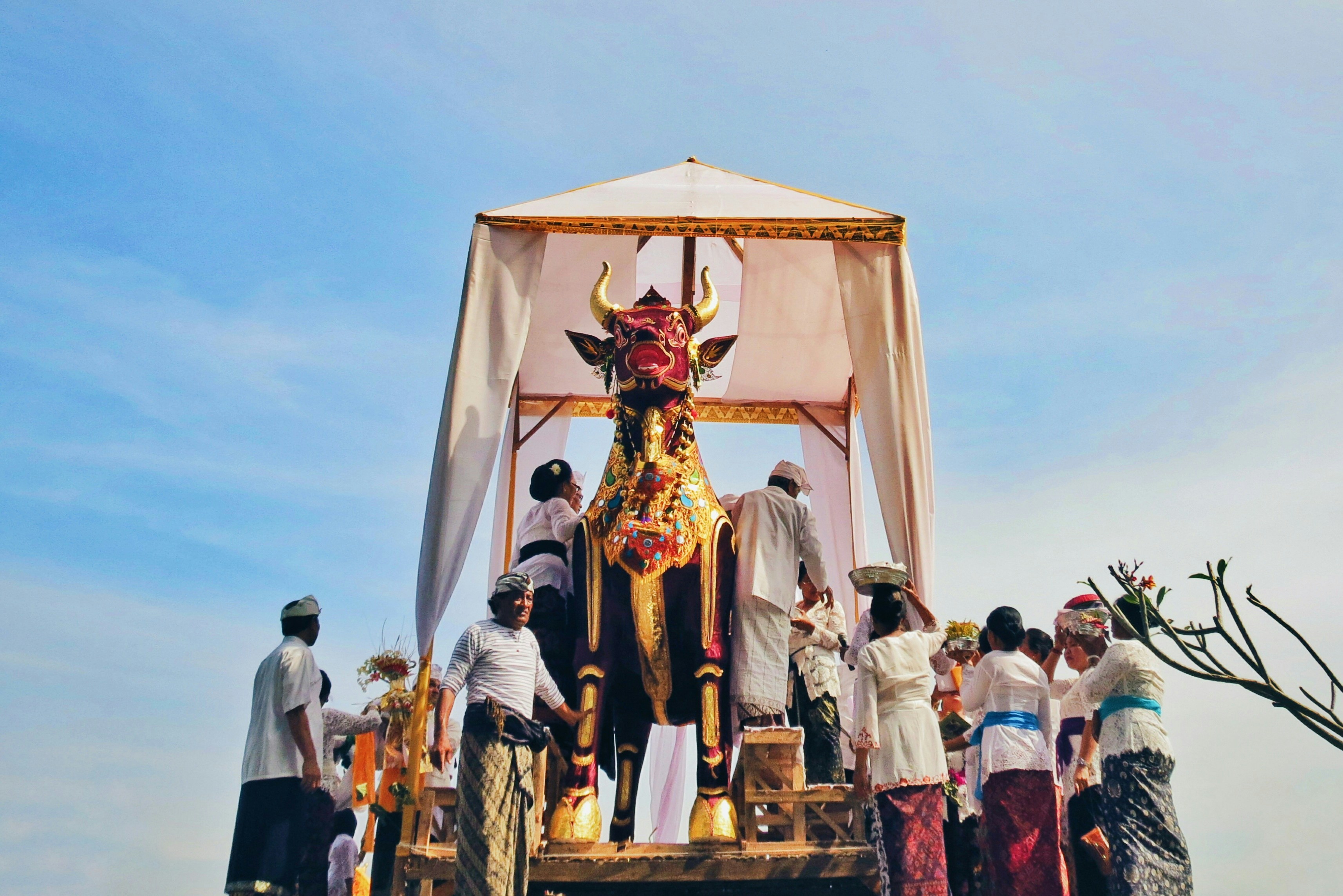
In Bali, death is not an ending. It is a transition requiring precision, ceremony, and the full participation of the community. Ngaben, the Balinese Hindu cremation ceremony, is one of the most elaborate and visually extraordinary rituals in the world: processions of hundreds, tower-shaped sarcophagi carried through the streets, offerings constructed over weeks, and the moment of release, fire, chanting, and the collective belief that the soul is now free to continue its journey.


The scale and meaning vary between villages and families, from intimate family ceremonies to grand royal cremations. Access here comes with the context that turns observation into understanding, guided by those who know these ceremonies from the inside.


Best time to visit  Year-round 

dates set by the Balinese Hindu calendar; large community cremations most frequent June–September, coinciding with the dry season and the return of the Balinese diaspora

NGADA, FLORES, EAST NUSA TENGGARA

Reba Festival

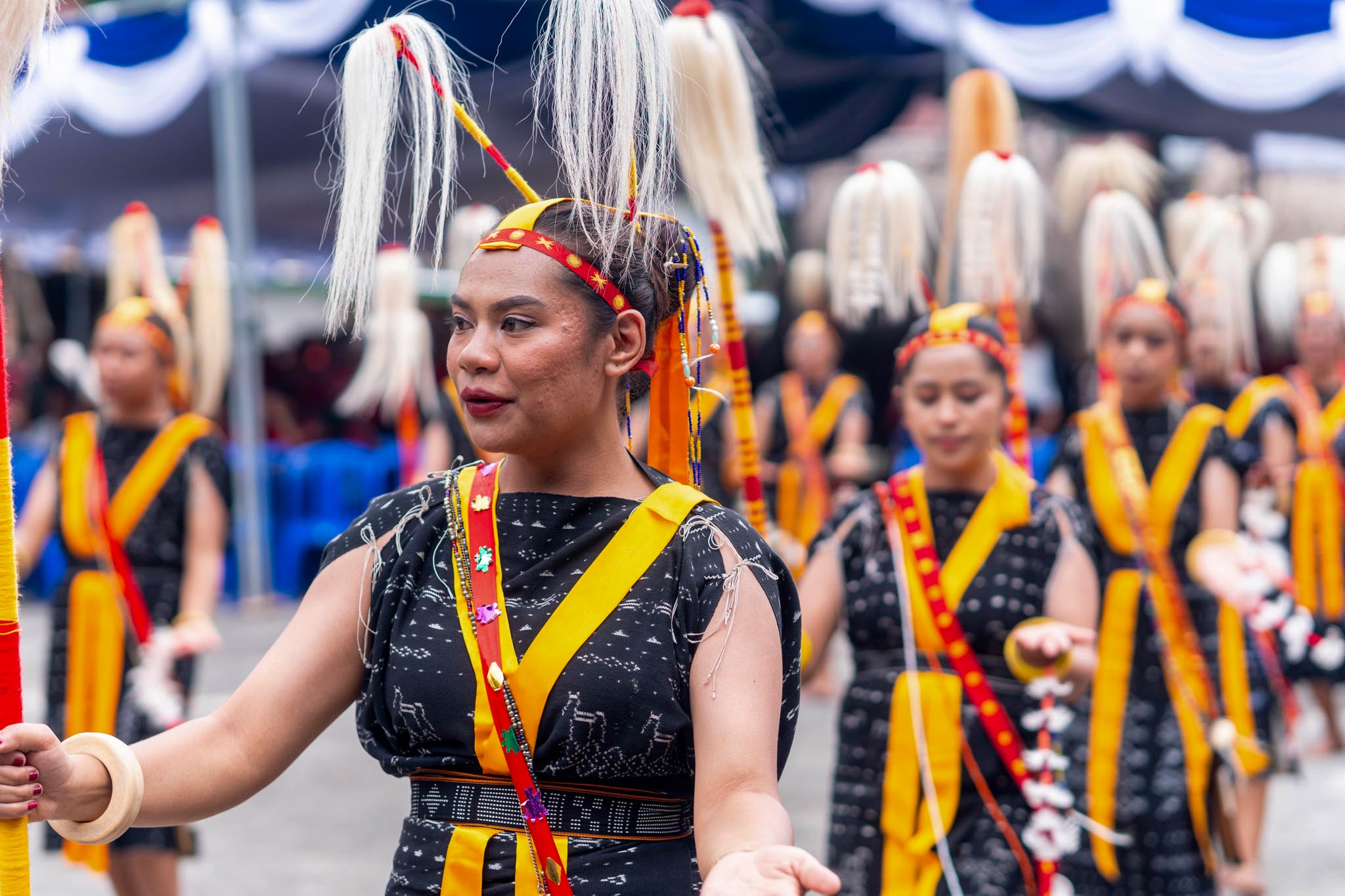
In the Ngada highlands of central Flores, the new year begins not with fireworks but with Reba, a multi-day ceremony of thanksgiving, ancestral remembrance, and communal renewal that predates the island's Catholicism and runs deeper than it.


Families gather across villages to share ritual foods, perform traditional dances, and recite genealogies aloud, reaffirming the bonds between the living and those who came before. It is a festival that rewards patience and presence: the meaning accumulates over days, not hours. Arriving with proper introductions, staying long enough for the ceremony to open up, and leaving with a sense of Flores that most visitors never reach, that is the experience worth seeking.


Best time to visit  January

Typically held in the first weeks of January across Ngada villages; precise dates vary by village and are confirmed locally

SOUTH LOMBOK, WEST NUSA TENGGARA

Bau Nyale

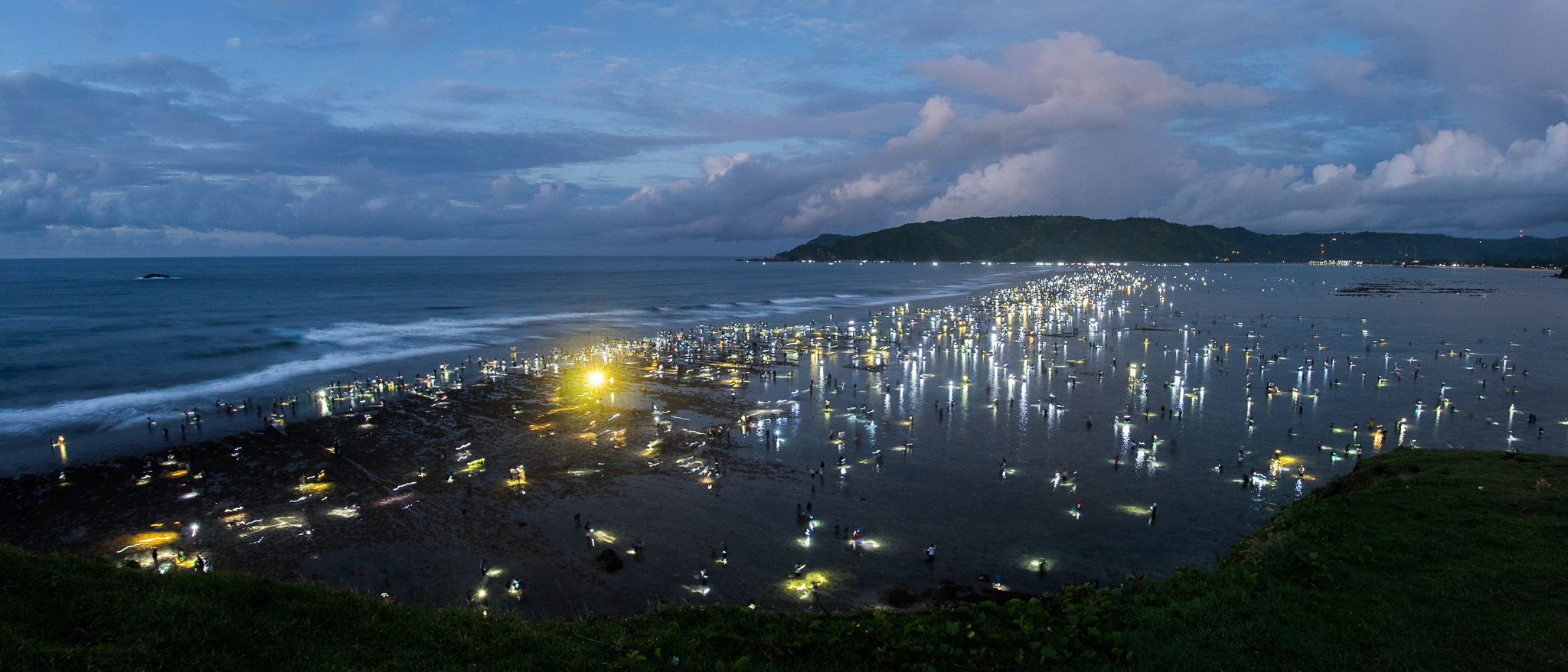
The legend begins with a Sasak princess named Mandalika, who chose the sea over an impossible marriage and was transformed, by the gods, into sea worms that return every year to the shores of south Lombok. Bau Nyale commemorates her sacrifice: before dawn, thousands of Sasak gather along the beach to wade into the waves and collect the nyale, whose abundance is read as an omen for the harvest and the year ahead.


It is strange, beautiful, and entirely unlike anything else in the Indonesian calendar. The ceremony happens fast, in the dark, in the salt air, and experiencing it properly, not from a distance, is what separates a witnessed event from something genuinely remembered.


Best time to visit  February – March

Follows the Sasak lunar calendar; exact date announced 2–4 weeks ahead, typically the 20th day of the 10th month in the Sasak calendar

Highlands, Heritage & Warrior Spirit, Papua

Baliem Festival

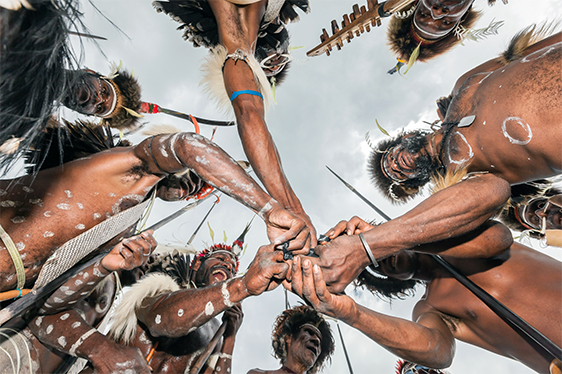
High in the central highlands of Papua, the Dani, Lani, and Yali people have maintained a warrior culture of extraordinary visual intensity for thousands of years. The Baliem Valley Festival was created in the 1980s as a means of channelling inter-tribal tension into ceremony, but what it became is something far more compelling: a concentrated gathering of tribal identity, where mock battles, traditional songs, and ritual dress reveal a civilisation that has always operated entirely on its own terms.


The setting alone, a mountain valley at 1,600 metres ringed by peaks, is unforgettable. Access that goes beyond the festival ground: village stays, highland treks, and introductions that no group tour can replicate.


Best time to visit  First week of August

Fixed annual event, typically 3 days; August falls within Papua's highland dry season, making overland travel and village access significantly easier

Rambu Solo’ & Ma’Nene, Toraja

Death Ceremony · Ancestors Reunion

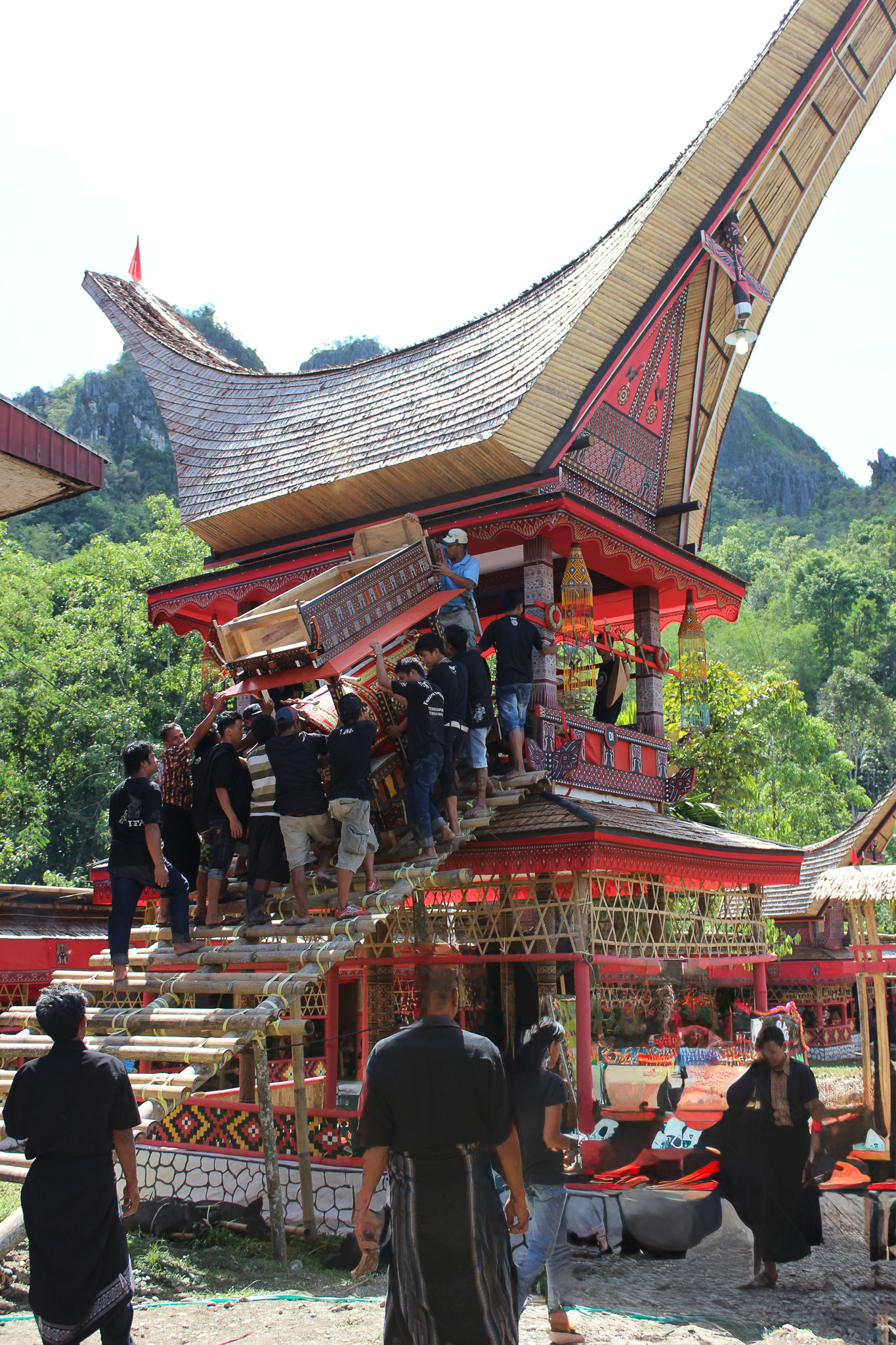
In Toraja, death occupies a different position in the social order, not an ending to be minimised, but a passage honoured over weeks, sometimes years, with ceremony that reflects the status of the departed and the devotion of those left behind. Rambu Solo' moves through stages of ritual, music, buffalo sacrifice, and communal gathering before the soul is finally released.


Ma Nene follows the harvest, families cleaning, grooming, and redressing the preserved remains of their ancestors, an act of continuing relationship with those who have gone before. Both are lived traditions, not curated experiences. Approached with proper introductions, genuine context, and the kind of quiet presence these moments ask for.


Best time to visit  July – September

Peak funeral season when the Torajan diaspora returns and the most elaborate Rambu Solo' ceremonies take place; Ma Nene falls August–September post-harvest, both coinciding with South Sulawesi's dry season

Pasola
Pacu Jalur
Ngaben
Reba Festival
Bau Nyale
Baliem Festival
Death Ceremony · Ancestors Reunion