10+ One on one on Business, Travel, and Trends
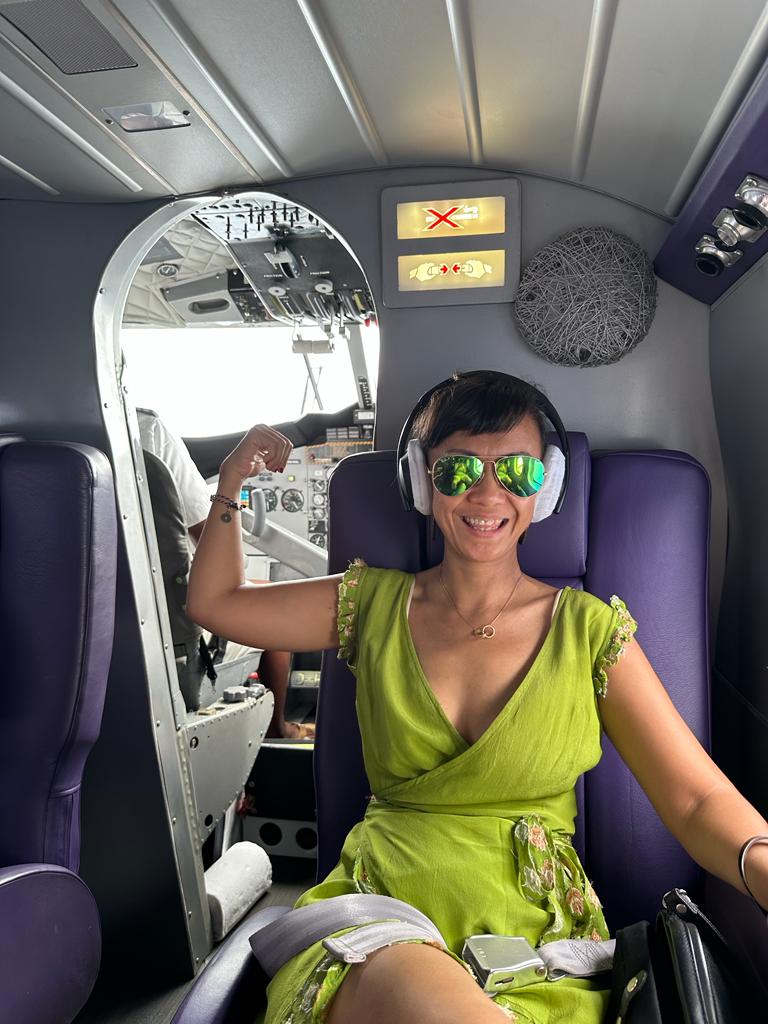
May 15, 2026Some conversations unfold best mid-air, suspended between sky and sea aboard a seaplane skimming low over the turquoise atolls of the Maldives, where the hum of the propellers fades into the kind of quiet that only open ocean can offer. In this conversation with Vera Fitriana, founder of Imajinativ, we speak about soulful hospitality, intentional journeys, and the subtle details that shape experiences long after they end. From travel design to hospitality consultancy, the conversation gives a glimpse of what it truly means to create experiences that feel considered, personal, and quietly memorable.
What’s something you’ve learned from travel that no textbook could have taught you?
That no two experiences are ever the same, even in the same place. It’s never just about where you go, but how, when, and with whom you arrive.
What brought you to hospitality consultancy and travel design?
A natural inclination toward shaping experiences. Over time, it became less about places themselves, and more about how people move through them, and what stays with them after.
What’s often mistaken for luxury in hospitality today?
Technology is often seen as the marker of luxury, and while it enables a seamless experience, it is rarely what guests remember. What lingers is the human touch, a sense of recognition, a moment that feels considered rather than automated.
In your view, what defines a truly well-run property today?
Balance. Consistently high occupancy may seem ideal, but over time it can strain maintenance, service, and team performance. A well-run property understands how to sustain quality, pacing occupancy strategically while maintaining both guest experience and long-term value.
The most underrated part of a well-designed journey?
Pacing. The space between moments is often what allows a journey to be fully experienced, rather than simply completed.
Where do you believe a journey is always worth investing more?
In time and intention. Allowing space to arrive, to settle, and to experience without urgency often defines the difference between a trip and something more meaningful.
If you had to remove one thing from most itineraries, what would it be?
The need to see everything. It often comes at the expense of actually experiencing anything.
What question do you ask clients to understand what they truly need?
What they would like to change from their most recent experience. The answer often reveals more than preferences, it uncovers what felt missing.
What do you look for to understand what a person or company needs, without them saying it directly?
The dynamics around them. Whether it is a team or travel companions, how people interact often reveals what kind of experience will feel most natural, and most effective.
What separates good service from something truly memorable?
I remember a moment when a guest was welcomed not by name, but by preference, something small, anticipated without being asked. Good service responds, but something memorable understands.
If you were planning a new journey today, what question would you ask yourself first?
What do I want this journey to change, or perhaps, what do I want it to give back.